
Preventing Running Injuries
Written by Brendan Mascarenhas
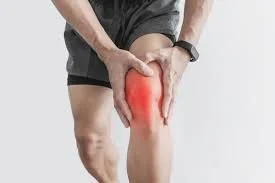
Whether you've just signed up for your first fun run or you've been running for years, injuries can catch up with anyone. We see them at every level, every pace and every age.
The frustrating part? Most of them are preventable.
In this blog we'll cover the injuries we see most, why they happen and what you can do to prevent them and keep running.
The 6 most common running injuries
Achilles tendinopathy:
Stiffness and pain at the back of the ankle, typically worse in the morning or after a tough session.
Runner’s knee (Patellofemoral Pain):
A dull ache around or behind the kneecap that flares up during long runs, hills or stairs.
Shin splints (Medial Tibial Stress Syndrome):
Pain along the inner shin
Plantar fasciitis:
Sharp heel pain during your first steps out of bed, usually caused by sudden increase in mileage.
ITB Syndrome:
A sharp or burning pain on the outside of the knee. This is usually triggered by weak hips and poor load management, not just "tightness."
Bone stress injuries (BSI):
Stress reactions or fractures that happen when bones are loaded faster than they can remodel. If you have localised bone pain that doesn't settle, do not run through it.
Why do injuries happen
One simple concept: your training load exceeds your capacity. Too much, too soon: muscles adapt quicker than tendons and bones.
Insufficient strength:
Running is a single leg sport. If you lack hip stability/control or calf strength/endurance, other parts of your body overcompensate.
Poor recovery: Rest days and quality sleep are essential
Ignoring warning signs: Listen to your body before it forces you to stop.
5 way to stay injury free
Build load gradually:
Stick to the 10% rule, don't increase your weekly mileage by more than 10% at a time. Remember, change only one variable (intensity or surface) at a time.
Strength training for running:
on single leg exercises. The test: If you can't perform 25 single leg calf raises on each side, your calf capacity is likely holding you back.
Don't skip plyometrics:
Your tendons need to be stiff and springy to absorb impact.
Respect rest days:
Taking 2 to 3 easy or rest days per week isn't slacking off, it’s how you build a resilient body
Act on niggles early:
Injuries are significantly easier to fix in the first 2 weeks than after 2 months of pushing through the pain. Catching it early always means a shorter, simpler rehab.
How we can help
At OnField Physiotherapy, we work with runners of all levels from beginners building their baseline to competitive athletes. Whether you're trying to shake an old injury or want to decrease the risk of injury, we offer:
Comprehensive running injury assessment and diagnosis
Tailored load management and return to run planning
Running specific strength and conditioning programs